Tag: There Be Monsters

  • 13 American Folklore Monsters Beyond Bigfoot

    13 American Folklore Monsters Beyond Bigfoot

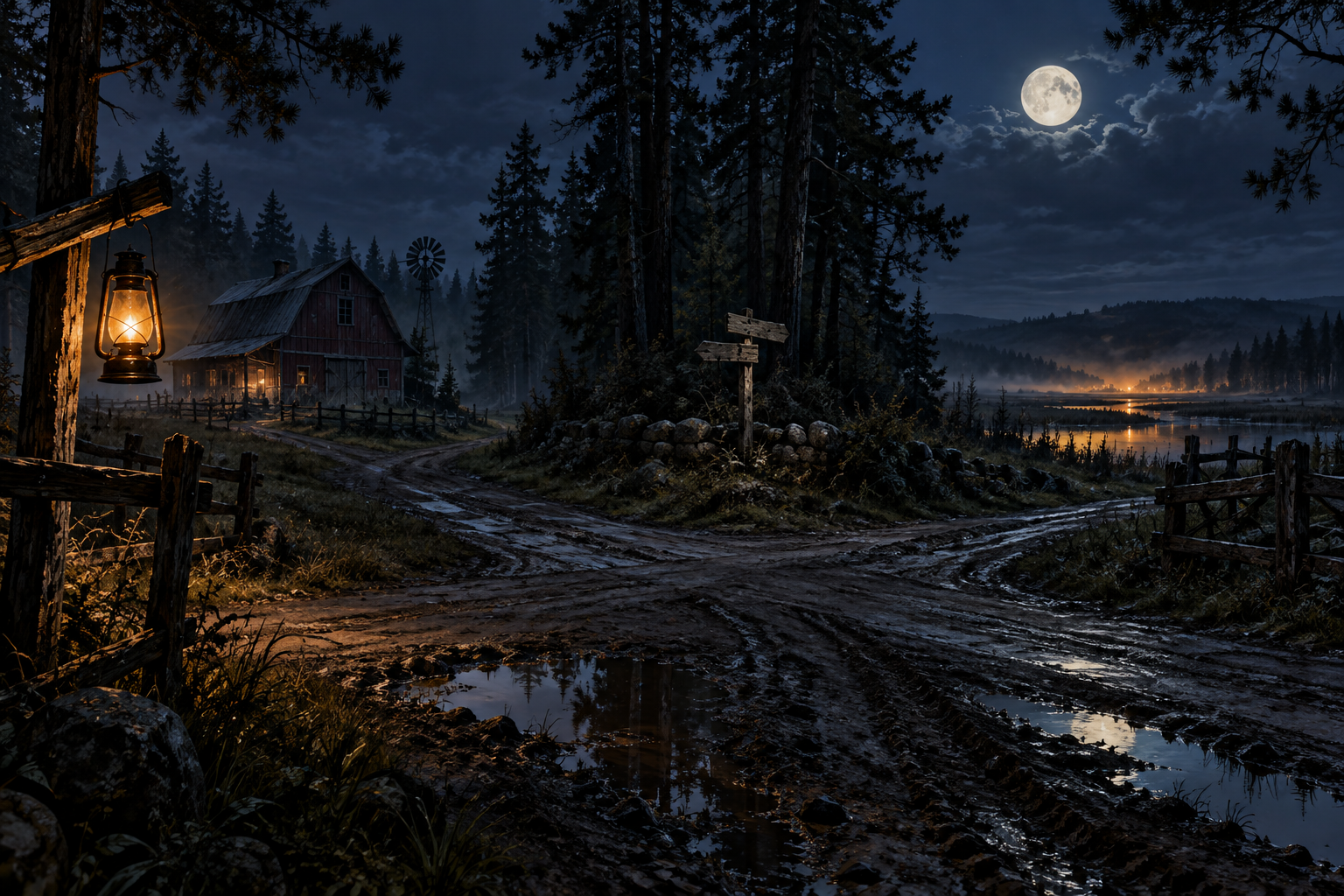
    A moonlit crossroads between pine woods and marsh, with hints of regional American monster tales

    An American folklore monsters list quickly becomes a map of different kinds of storytelling: something in a New Jersey pine barren, a creature reported off the Massachusetts coast, a lumber-camp exaggeration that grew teeth in print. Bigfoot dominates the souvenir shop, but it is only one branch of a much stranger family tree.

    The useful question is not whether every creature was “real.” Folklore records how communities explain danger, landscape, work, migration, and the pleasure of being frightened together. Some of the figures below are old regional tales; others are modern cryptids or deliberate tall-tale inventions. Keeping those categories distinct makes the stories better, not less magical.

    A quick guide to reading monster lore

    An old story is not automatically an ancient one. A newspaper may be the earliest surviving evidence, not the origin. A creature’s name may have been attached to a place long after the underlying warning existed. And a modern legend can still be meaningful without pretending it came from colonial America.

    Here are thirteen places to start.

    1. The Jersey Devil — New Jersey Pine Barrens

    The Jersey Devil is the region’s great shape-shifter: commonly described with wings, hooves, a horse-like head, or an inhuman cry. Later versions connect it to the Leeds family, but the legend has changed repeatedly through pamphlets, newspapers, civic rivalry, tourism, and horror culture. The Pine Barrens matter as much as the creature: a vast, sandy landscape can make a night sound travel farther than it should.

    For a fictional route through that terrain, see The Pine Barrens Incident.

    2. The Hodag — Rhinelander, Wisconsin

    The hodag is one of the most entertaining American examples of a monster becoming local identity. A black, horned, spined beast was promoted in nineteenth-century Wisconsin by Eugene Simeon Shepard, who staged photographs and a captured specimen. It is not an ancient woodland being, but a superb lesson in how a hoax can become folklore when a town adopts it with affection.

    3. The Wampus Cat — Appalachia and the Southeast

    “Wampus cat” has been used for different large-cat and boogeyman stories across the American South and Appalachia. That variety is the point: the name travels. It can mean an animal at the edge of the porch light, a warning for children, or a creature given a later fixed origin by retellings. Avoid reducing its many regional uses to one neat, supposedly authoritative myth.

    4. The Snallygaster — Maryland

    The snallygaster’s name is often connected to German-speaking settlers in Maryland, though the monster as most people know it was amplified through nineteenth-century newspaper stories. It was said to swoop down on livestock and people. The legend demonstrates the productive collision of immigrant language, local landscape, and newspaper spectacle.

    5. The Snallygaster — Maryland

    The snallygaster is a winged creature of Maryland lore whose reported shape has changed as stories passed through newspapers and local telling. The Library of Congress traces an especially important complication: versions of the legend were exploited for racist voter suppression. That history should be named, not turned into a harmless bit of monster trivia. The creature shows how a legend can be both an entertaining regional symbol and a tool used by real people for harm.

    An archival-style illustrated map of American monster regions

    6. The Hidebehind — North American logging lore

    The hidebehind is said to stay just out of sight behind the trunk you are about to inspect. It is an elegant forest monster because its rule is visual: you never see it directly. Whether invented for lumber-camp storytelling or adopted from older oral patterns, it turns a real workplace hazard—being alone in dense woods—into a creature with perfect tactics.

    7. The Squonk — Pennsylvania

    The squonk is the melancholy member of the lumberjack bestiary, a creature so ashamed of its appearance that it weeps constantly. Stories say it can dissolve into tears when captured. It is comic, but its endurance shows that monster lore does not always operate through aggression. Sometimes a region preserves a creature because it is odd, tender, and impossible to forget.

    8. The Mothman — Point Pleasant, West Virginia

    The Mothman reports of the 1960s belong to modern legend rather than old folk belief. Witnesses described a winged, red-eyed figure before the Silver Bridge collapse, and later writers assembled those reports into a larger omen narrative. Treat the tragedy and the witnesses with care: the creature’s cultural life is real, while claims of supernatural causation remain claims.

    9. The Flatwoods Monster — West Virginia

    In 1952, residents near Flatwoods reported a frightening figure after seeing an object cross the sky. Explanations have ranged from an owl and misperception to extraterrestrial encounter. Whatever happened, the episode shows how quickly a shared night, unusual light, local testimony, and national anxieties can become a durable monster.

    10. The Loveland Frog — Ohio

    The Loveland Frog is a modern roadside cryptid associated with Ohio reports of a large, upright frog-like figure. It belongs to a broad family of “the thing seen near a road at night” legends. Those stories work because a car gives a witness speed but not certainty: the sight is gone before the mind can arrange it.

    11. The Beast of Bladenboro — North Carolina

    In 1954, reports of animal attacks around Bladenboro drew press attention and a wave of hunting. The “beast” became larger and more mysterious in retelling. The historical record is a useful reminder that predation, fear, headlines, and community attention often enlarge one another.

    12. The Gloucester sea serpent — Massachusetts

    Nineteenth-century observers reported a long, sinuous creature off the Massachusetts coast, and the reports became a lively argument about what witnesses had seen. The Library of Congress recounts how sea-serpent reports intersected with a period when people hoped science might identify unfamiliar animals. Here the monster is also an information problem: a surface glimpse of an animal in moving water can resist confident identification.

    13. The sidehill gouger — lumber-camp tall tales

    The sidehill gouger is said to have legs shorter on one side, making it perfectly adapted to circle steep hills but hopeless on level ground. It belongs to the “fearsome critters” invented and retold around North American lumber camps. The joke is wonderfully practical: a strange slope becomes a creature’s entire anatomy. Like the hidebehind and squonk, it reminds us that a monster need not be solemn to be memorable. Workers could use absurdity to entertain one another and make an unfamiliar landscape feel narratable.

    A lantern at the edge of a deserted lumber camp in dark woods

    Folklore, fakelore, and cryptids are not enemies

    “Fakelore” describes traditions presented as old or authentic when their origins are known to be recent or manufactured. That does not mean they are worthless. The hodag is still meaningful to Rhinelander. A modern cryptid can still shape a town’s imagination. The key is honesty: say what is documented, say what is later, and let the story earn its own strangeness.

    For more regional dossiers, explore the Lost Boundary Archive and the broader There Be Monsters series.

    Frequently asked questions

    What is the most famous American folklore monster after Bigfoot?

    The Jersey Devil is among the best known because its legend has remained strongly tied to a specific region, the New Jersey Pine Barrens, while continually changing through print and popular culture.

    Are cryptids the same as folklore monsters?

    Not exactly. A cryptid is generally proposed as an undiscovered animal, while folklore monsters may be supernatural, symbolic, comic, or openly invented. The categories overlap in modern storytelling.

    Why did lumber camps invent so many monsters?

    Camp stories entertained workers, explained the strangeness of unfamiliar woods, and turned dangerous or lonely work into shared lore.

    Want one original warning for every night of October? October 31 is available on Amazon. For new lore, story announcements, and the free illustrated Dead Ship, join The Grimbard Press.

    Sources and further reading

    • Library of Congress: American cryptids and how their stories spread

    • Library of Congress: the great American sea serpent

    • Contemporary and archival reporting on Point Pleasant, Flatwoods, and Bladenboro; distinguish reports from supernatural conclusions
  • Why Every Story in October 31 Happens on the Same Night

    Why Every Story in October 31 Happens on the Same Night

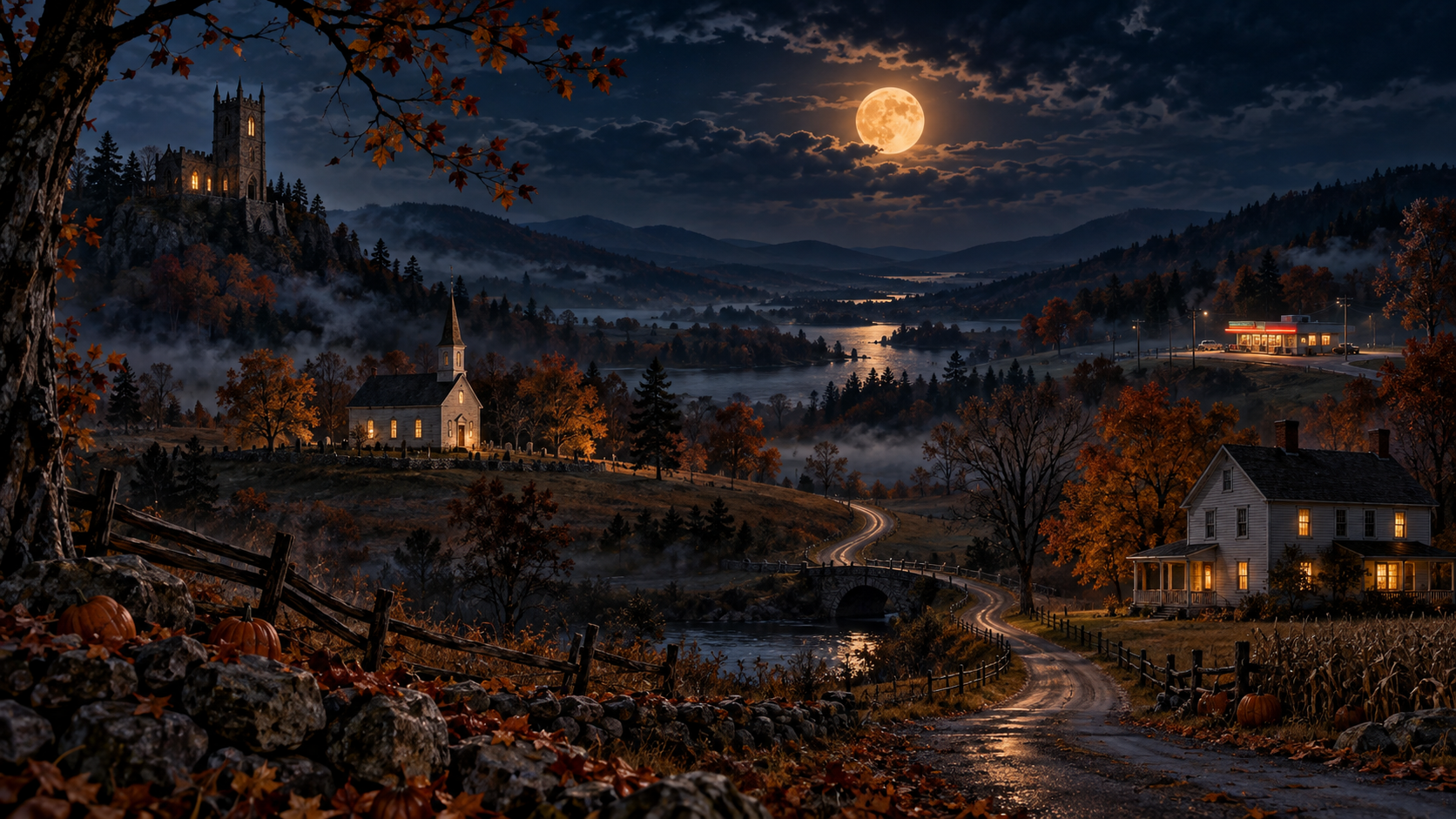
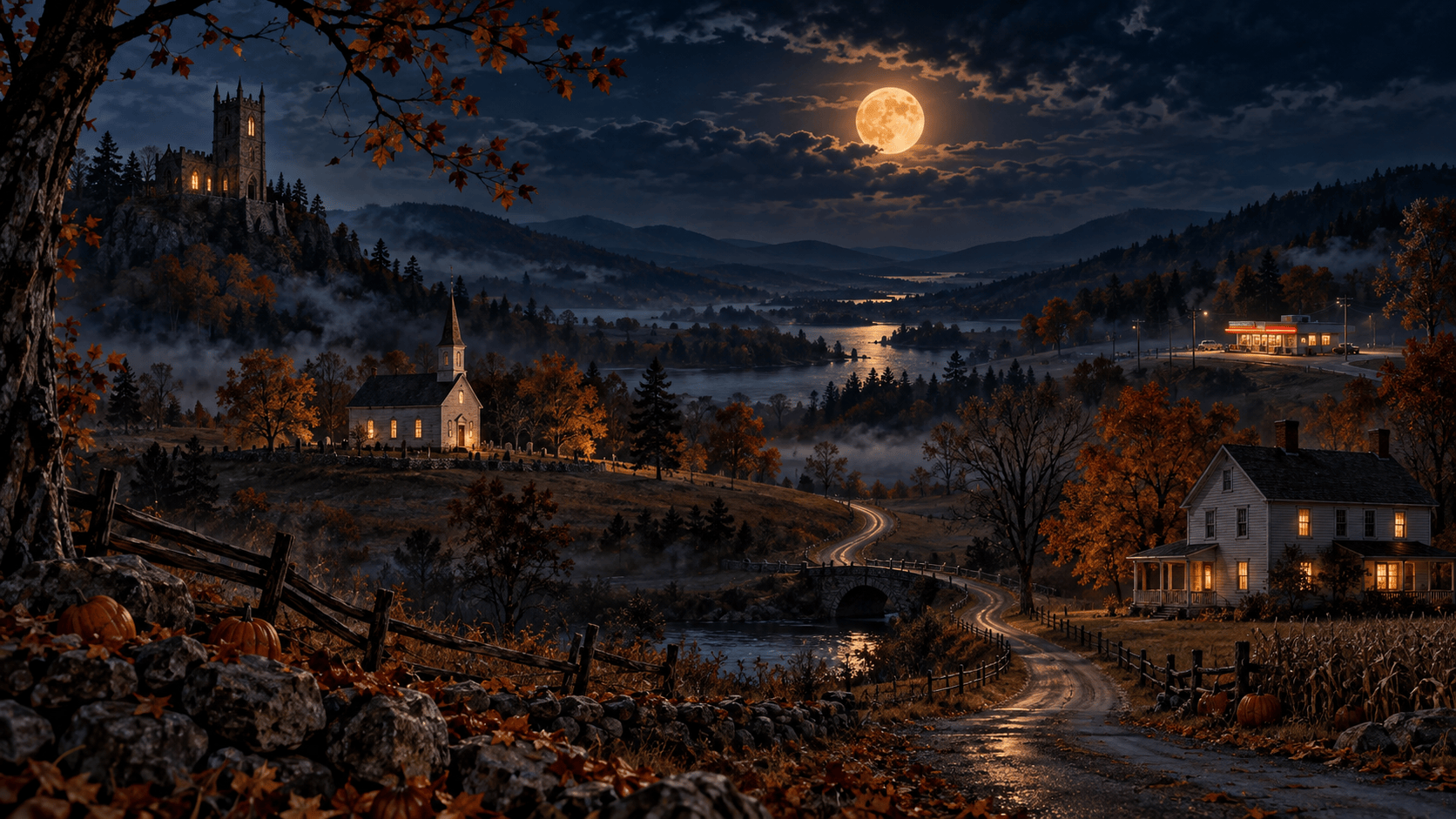
    Moonlit October valley connecting a medieval church, New England meetinghouse, farmhouse, and diner

    When I started October 31, I gave myself one rule: every story had to take place on the last night of October. Not the week of Halloween, and not “around the harvest.” The date, every time, printed at the top of the story like the heading on a field report.

    People have asked why. The short answer is that it’s a very old night, and it’s been a dangerous one for longer than anyone has called it Halloween.

    The night was busy long before the name

    In Ireland and Scotland, the night of October 31 opened Samhain, the turn from harvest into winter. It was understood as a hinge in the year, a night when the boundary between this world and the other one wore thin. Things crossed. People disguised themselves, kept fires, set food out, and thought hard about who they let through the door.

    The church laid its own calendar over the same days. November 1 became All Saints’ Day, or All Hallows. The night before it was All Hallows’ Eve, which is where Halloween comes from. November 2 is All Souls, the day for praying for the ordinary dead. For centuries, across Catholic Europe, the end of October was already the start of a season about the dead.

    Other things happened on that date too. On October 31, 1517, Martin Luther is said to have posted his ninety-five theses in Wittenberg, and Protestant countries still keep it as Reformation Day. In Mexico, the Days of the Dead begin as October ends. Different traditions, different reasons, and yet everyone seems to agree that the end of October is when you turn to face the dead.

    What the rule forced

    Writing thirty-one stories on the same date did something I didn’t expect. The date is constant, so everything else has to change. The century, the country, the language, the danger. Every story has to answer the same question differently: what does this night mean here, to these people?

    In 1653, in a Puritan village in Massachusetts Bay, the answer is nothing, officially. The Puritans didn’t keep saints’ days, so it’s an ordinary weekday. But a meetinghouse bell is ringing that isn’t the Sabbath ring, and a girl has to decide whether to walk out and watch.

    In 1665 London it’s the plague year, and the date means only that the weekly bill of the dead has come around again.

    In the 1830s it’s a date pressed into a whaling captain’s private chart, one he has been sailing back toward for nine years.

    In 1996 it’s a Thursday on a South Texas ranch, and the only thing anyone cares about is the third dead goat.

    In a few stories the date is the whole point: the banshee, Stingy Jack, the carnival that only runs one night a year. In others, the characters don’t even notice it’s October 31 until something makes them. That was the fun of it. Sometimes the date is the danger, and sometimes it just shows up on the calendar in the kitchen.

    The warnings are the thread

    Samhain table with candles and autumn fruit

    What ties the stories together is the thing the whole There Be Monsters series is built on: the old warnings.

    The book opens with a page called “The Warning.” Part of it reads:

    > The old warnings were rarely elegant. Do not answer. Do not look. Leave before dark. Feed it first. Count them twice. Keep your hands where the house can see them.

    >

    > They survive because somebody, somewhere, came home frightened enough to tell the next person what had worked.

    Every story is about one of those rules and the person who has to decide whether it’s true. A country doctor who trained in Vienna and doesn’t believe in the valley’s precautions. A woman in a 1544 household who set the bowl down wrong. A trapper who knows his partner always made a point of being under a roof with a fire going before dark on the last night of October, and never asked why.

    On October 31 the rules are strictest, so it’s the best night to find out who breaks them.

    Why thirty-one, and why in order

    Thirty-one stories, one for every night of the month. You can read October 31 in any order you like. Every story stands alone. But the order isn’t random. The early stories are quieter and the pressure builds through the month. The last story is the title story, set in the present, in a small town, and it’s the one where all the warnings in the book begin sounding at once. It’s meant to be read on Halloween.

    That’s what the 31 Nights challenge is: read one story each night in October and finish on the thirty-first. There’s a free printable calendar with every night’s dateline, and I’ll post a companion piece here for each story covering the real history or folklore behind it. Get the calendar →

    The date is the same for everyone

    That’s what I like most about the rule. Every character in the book, from the 1400s stonecutter to the waitress in the diner tonight, is standing on the same night of the year. None of them know about each other. All of them are listening for something.

    This year you’ll be standing on it too.

    Get October 31 on Amazon → · Free with Kindle Unlimited

    T. P. Grimbard

    —

    Previous: The Banshee Doesn’t Scream, She Keens · Next: Witches’ Familiars: Cats, Courts, and Massachusetts Before Salem

  • October 31 Is Out: Thirty-One Warnings for the Darkest Night

    Cover of October 31, a There Be Monsters anthology of Halloween folk-horror stories

    Get October 31 on Amazon →

    Ebook $4.99 · free to read with Kindle Unlimited

    October 31 is live.

    It’s thirty-one stories, all of them set on the same night. The earliest is set in a French cathedral town in the 1400s, and the last one happens tonight. In between there’s a whaling ship, a plague year, a Prague attic, a trapline in the Ontario bush, a Louisiana funeral home, a Nebraska farm with a letter on the kitchen table that nobody wants to open.

    Every story runs on one idea. The old warnings (do not answer, leave before dark, feed it first, count them twice) were not superstition to the people who made them. They were instructions. Someone came home frightened enough to tell the next person what had worked. The stories in this book follow the people who have to decide, on the worst night of their lives, whether to believe them.

    Read the opening

    This is how the first story begins. It’s the page that shows up in Amazon’s Look Inside, so if it works for you, the rest of the book will.

    > In a Hand the Clerk Can Read

    > October 31st, 1897 — a farmhouse in the Carpathian foothills.

    >

    > The boy who came for Dr. Emil Coțofană did not knock. He threw stones at the shutters until one split, and by the time Emil had the window open he was already shouting up, winded. The bride would not wake right, and Vasile Petrescu was tearing the house apart after somebody who knew what to do.

    >

    > Emil dressed in the dark rather than spend a match and took up his father’s bag: lancets, quinine, the brown bottle of carbolic he had carried back from Vienna and never once opened here, because nobody in this valley trusted a wound cleaned with anything that did not smell of church.

    >

    > At the coat pegs he glanced at the calendar without meaning to, and the thought that arrived was not a physician’s thought. It was one flat word.

    >

    > Again.

    >

    > He could not have said what he meant by it. He put his hat on and went out and did not examine it, which was the most characteristic act of his professional life.

    The valley knows something Emil has spent nine years trying not to know. The story is about what happens when a trained man is the only one in the room who hasn’t read the rules.

    Who this book is for

    • You like horror that builds instead of horror that splatters.
    • You read the footnotes. There’s a Note on Sources at the back that says what’s recorded history, what’s folklore, and what I made up.
    • You want something to read one piece at a time. Stories run from about ten minutes to twenty-five.
    • You already know that the scariest word in a ghost story is usually again.

    If you want gore, this isn’t your book, and I’d rather tell you now than find out from a review.

    What’s in it

    Banshee, strigoi, changeling, golem. A kobold behind the hearthstone. A carnival that takes half your ticket. Stingy Jack and his lantern. A chupacabra panic on a South Texas ranch in 1996. A haunted doll bought for four dollars at an estate sale. A boarding house in Victorian London where someone is being fed on, and a maid who knows exactly where to put the salt and iron, and where to leave a gap.

    Each story stands alone. Read in order, they move toward the title story, the thirty-first, where all the warnings start sounding at once.

    Read it one night at a time

    Starting October 1, I’m running the 31 Nights challenge: one story a night through October, ending with the title story on Halloween. There’s a free printable calendar with every night’s dateline so you can track where you are. Get the calendar →

    I’ll also be posting a companion piece here for each story, covering the real folklore or history it’s built from, with no spoilers. The first one goes up tomorrow: the Irish legend of Stingy Jack, and why the jack-o’-lantern was never about pumpkins.

    Formats

    The ebook is out today and enrolled in Kindle Unlimited, so if you subscribe, it’s free to read. The paperback and hardcover are on their way for anyone who wants a copy on the shelf or plans to give one as a gift before Halloween. I’ll post here when they’re live.

    One ask

    If you read it, leave a review, even two lines. For a new book, reviews decide whether Amazon shows it to anyone else. An honest two-star review helps more than silence does.

    Get October 31 →

    Every warning was true once.

    T. P. Grimbard

    —

    Also in There Be Monsters: Then and Now · Deep Down · Among the Dead

  • 31 Stories, One Night: October 31 Is Coming

    Cover of October 31, a There Be Monsters anthology of Halloween folk-horror stories

    Here it is.

    October 31 is the next book in the There Be Monsters series, and it goes live tomorrow morning. Thirty-one stories. Every one of them takes place on the same date.

    That was the rule I wrote under. No story could happen on October 30 or November 1. Every account had to start on the last night of October, in whatever century and whatever country the story belonged to. Some are set on nights that nobody at the time would have called Halloween: a plague-year London parish, a medieval French cathedral town, a Puritan village where the word would have gotten you questioned. The date is the same. The people keeping it are not.

    What’s inside

    Each story opens with a dateline, the way a field report would. A few of them:

    • October 31st, 1897. A farmhouse in the Carpathian foothills. A country doctor is fetched in the dark for a bride who will not wake right.
    • October 31st, 1653. A village in the Massachusetts Bay Colony. The meetinghouse bell is ringing, and it isn’t the Sabbath ring.
    • October 31st, 1918. A trapline north of Hearst, Ontario. The first storm came early, and the man who knew the rules of the bush is gone.
    • October 31st, 1996. A ranch in South Texas. The third goat turned up dead on the tank dam, and that one got the sheriff’s office to send a deputy.
    • October 31st, present day. A diner in a small town. Hoofbeats cross an empty intersection after closing.

    There are banshees and changelings, a golem in a Prague attic, a house-spirit behind a German hearthstone who keeps careful count of what he is owed. There’s a carnival that only runs once. There’s a clock that someone has wound every Wednesday for longer than most marriages last.

    What it’s like to read

    This isn’t a gore book. If you’ve read Then and Now or Deep Down, you know what to expect: slow dread, real history, and people making practical decisions after the impossible has already walked in. The monsters come from the folklore our great-grandparents took seriously. Each one has rules. Most of the horror comes from someone deciding whether to follow them.

    The book closes with a Note on Sources that says where each tradition comes from and what I invented. Some of these beliefs belong to living cultures, and I’d rather be honest about the line between the record and the story than pretend there isn’t one.

    Why thirty-one

    One for every night in October. Read one before bed and you finish the book on Halloween. The last story is the title story, and it’s the one where every warning in the book starts sounding at once. Save it.

    I’ll be posting a companion piece here for every story through October: the real legend or piece of history behind it, without spoilers. The first few go up this week. Start with the jack-o’-lantern on Thursday. It was never about pumpkins.

    Where this sits in the series

    If you’re new here: There Be Monsters is an anthology series built on one line, every warning was true once. Each book follows ordinary people far enough past certainty to find out why a rule, a superstition, or a story existed in the first place.

    Then and Now paired horrors across time, the old version and the modern echo. Deep Down went below the water and under the ground. Among the Dead was about the dead who refuse to stay where the living put them. October 31 turns the series toward the night itself.

    You don’t need to have read the others. Every book, and every story, stands alone. But if you’ve been reading since the first one, you’ll recognize the voice, the datelines, and the kind of person who ends up alone in the dark trying to remember what their grandmother said.

    Why the datelines

    Every story opens the same way: October 31st, a year, a place. It’s the heading on a field report, and it does a job. Before the first sentence you already know where you’re standing, what century it is, and what the people around you are likely to believe. The dateline puts you in the room. The story makes you want to leave it.

    Tomorrow

    October 31 releases tomorrow in ebook, with print to follow. I’ll post the link here at 10 AM, along with the opening of the first story.

    If you want to read along with other people, the 31 Nights challenge starts October 1: one story a night, with a free printable calendar that tracks each night’s dateline. Get the calendar →

    Every warning was true once.

    T. P. Grimbard

    —

    Also in the series: Then and Now · Deep Down · Among the Dead

  • October 31 Arrives September 23: A Folk-Horror Story for Every Night

    October 31 Arrives September 23: A Folk-Horror Story for Every Night

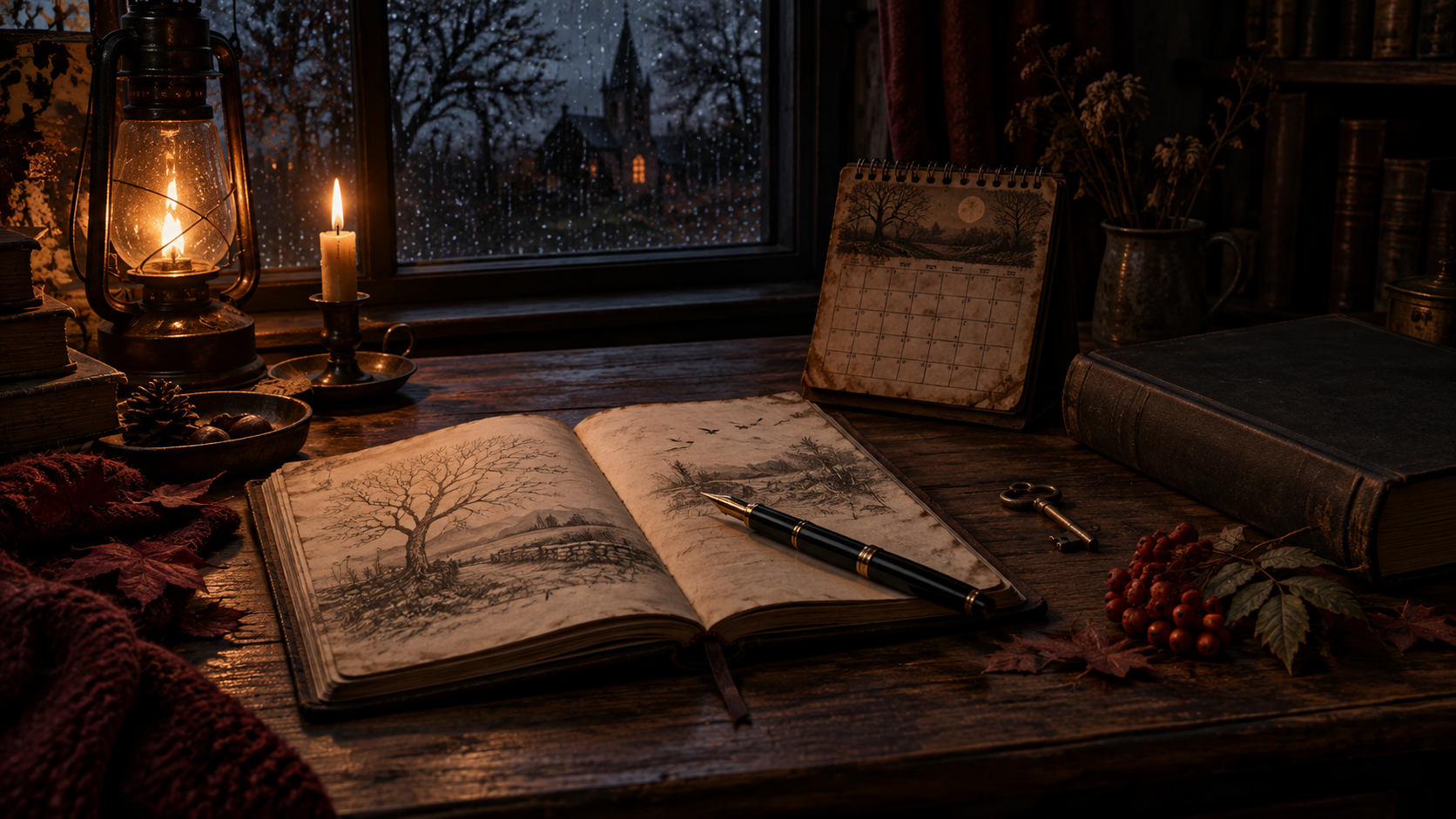
    A candlelit writing desk with a black notebook, autumn leaves, and an October calendar

    If you are looking for new folk horror books for Halloween 2026, October 31 arrives Wednesday, September 23. It is the newest volume in the There Be Monsters series: thirty-one standalone horror stories, each beginning on October 31 in a different year and place.

    The dates range across centuries. The people in these stories do not share a country, a religion, or even a common idea of Halloween. What they share is the moment when an inherited warning stops sounding quaint.

    Somebody hears the hoofbeats that were supposed to remain a story. Somebody brings home the wrong object from an estate sale. Somebody discovers that the household rule everyone mocked was not designed to control the living.

    That is the promise of the book: every warning was true once.

    **Get October 31 on Amazon →**

    Want the release news, new stories, and reading-room notes delivered before the season outruns you? Join the Grimbard mailing list →

    The rule behind all thirty-one stories

    Every story had to begin on October 31. That restriction turned out to be less limiting than it sounds.

    Halloween is not a single, frozen tradition. The date gathers customs, church calendars, harvest practices, migration, commerce, family habits, and stories that have changed whenever people carried them somewhere new. In one century, October 31 is a vigil. In another, it is an ordinary working night. In another, children are wearing plastic masks while an older rule waits behind the modern one.

    That allowed the book to move through very different kinds of darkness without abandoning its central shape. One account opens in a Carpathian farmhouse in 1897. Another begins in a Massachusetts village in 1653. There is a North Atlantic whaling ship, a plague-year London parish, a South Texas ranch in 1996, and a modern small-town diner after closing.

    The date stays fixed. Everything surrounding it changes.

    The result is not a single continuous novel. It is a collection of complete stories linked by a night, a field-report structure, and the idea that folklore often preserves a practical instruction inside the supernatural one.

    What kind of folk horror is inside?

    The book ranges beyond the familiar image of an isolated village and a harvest ritual. Folk horror can grow anywhere a community inherits rules about place, behavior, obligation, or danger.

    Some stories deal with recognizable beings: banshees, changelings, a strigoi, a golem, a household kobold, and the thing modern witnesses called the chupacabra. Others begin with customs that seem smaller: stopping a clock after a death, leaving payment for a favor, refusing to carry a particular object across a threshold, or remembering which words should never be spoken at sea.

    There are also stories built from historical pressures rather than a single named monster. Epidemic years change how a cemetery operates. Economic collapse changes what a scarecrow means to the person looking across a failing field. A new technology or popular film can revive an older fear and give it a different vocabulary.

    The supernatural elements are fiction. The beliefs, places, occupations, and historical tensions underneath them have been treated as seriously as the stories allow.

    That distinction matters. Folklore is not an unlimited box of atmospheric props. Some traditions belong to living communities. Some old beliefs were used to harm disabled people, religious minorities, grieving families, or anyone inconveniently different. A horror story can acknowledge that history without surrendering its mystery.

    The book ends with a Note on Sources explaining where the traditions came from, which details are documented, and what was invented for the fiction.

    How dark is October 31?

    Seven weathered story cards arranged in a circle beside a candle

    This is a book of dread, consequence, and close encounters with the impossible. It is not built around a contest to produce the most gore.

    Violence occurs, and some of the history behind the stories is grim. But the central pleasure is the instant when a sensible person realizes the rule was accurate. The characters still have to decide what to do with that knowledge. They can follow the warning, misunderstand it, exploit it, or decide that it no longer applies to them.

    Most of the terror lives in that decision.

    Readers who enjoy haunted history, regional legends, old houses, strange records, dangerous landscapes, and supernatural rules will find several ways into the collection. Readers who prefer atmosphere to graphic excess can approach it without being promised a bloodless book or ambushed by a book interested only in spectacle.

    Three ways to read the book

    You can read October 31 straight through, but the structure supports three different routes.

    Read one story every night in October

    The obvious method is also the one the book was designed to reward. Begin on October 1, read one story before bed, and arrive at the title story on Halloween.

    Each story opens with a dateline, so the month becomes a journey through changing places and periods rather than a sequence of interchangeable scares. The stories are standalone, which means missing a night will not break a larger plot. You can catch up without rereading half a novel.

    Follow the folklore

    Readers interested in belief and tradition can move through the collection by subject: restless dead, household spirits, protective materials, death customs, regional monsters, and warnings attached to particular landscapes.

    The companion articles appearing here through October will examine the real history and folklore behind those stories without spoiling them. They are designed to give readers more than a promotional summary. Each one answers a question the fiction raises: what a strigoi was before Dracula, why sailors kept rules that looked irrational on land, or how newspapers assembled the mummy’s curse from unrelated events.

    Build a single-night Halloween stack

    Not everyone wants a month-long challenge. Choose several stories by length or theme and make a Halloween-night reading stack. Begin with a historical account, move to a regional legend, and save the title story for last.

    That approach turns the anthology into something closer to a private late-night broadcast: different voices reporting from the same date, each unaware of what is happening elsewhere.

    Where the book fits in There Be Monsters

    October 31 stands alone. You do not need to read the earlier There Be Monsters volumes first.

    The series is connected by method rather than a continuing cast. Each volume takes old warnings seriously enough to ask why they survived. Then and Now pairs older horrors with modern echoes. Deep Down moves underground and below the waterline. Among the Dead follows the dead who refuse the arrangements made by the living.

    This volume turns toward Halloween itself—not only the modern holiday, but the older fears, obligations, and boundary nights gathered around it.

    New readers can begin here. Returning readers will recognize the datelines, the evidence-minded approach, and the kind of practical person who ends up confronting something no practical worldview prepared them for.

    You can also explore the complete There Be Monsters series or use the Grimbard Start Here page to choose a book by subject.

    The release and the October readalong

    October 31 releases in ebook on Wednesday, September 23, with print to follow. The Amazon page is live now.

    **Get October 31 on Amazon →**

    The 31 Nights readalong begins October 1. A free printable calendar tracks each night’s story and dateline. It is optional; the stories work in any order and at any pace. But if you enjoy giving October a structure, this one ends exactly where it should: with every warning sounding at once.

    Frequently asked questions

    What is October 31 by T. P. Grimbard about?

    October 31 is a collection of thirty-one standalone horror stories. Every story begins on October 31, but the settings span different centuries, countries, occupations, and folklore traditions.

    Is October 31 a novel or a short-story collection?

    It is a short-story anthology. The stories share a date, a field-report style, and the There Be Monsters approach, but each has its own characters and complete plot.

    Do I need to read the other There Be Monsters books first?

    No. Every volume and every story stands alone. Readers familiar with the series will recognize its methods and themes, but October 31 is also an entry point.

    Is October 31 extremely graphic?

    The book contains danger, death, and dark historical material, but it emphasizes atmosphere, folklore, consequence, and slow dread rather than continuous graphic violence.

    Can I use the book for an October reading challenge?

    Yes. The collection contains one story for every night in October. Reading one per night leads directly to the title story on Halloween.

    Thirty-one stories. One date. More warnings than anyone should hear at once.

    October 31 arrives September 23.

  • Horror Belongs in Summer

    Horror Belongs in Summer


    Every October, the internet rediscovers horror. Watch parties. Recommendation threads. The seasonal horror content machine cranks up and runs for thirty-one days and then it’s November and everyone moves on.

    This is a problem.

    Not because October horror is bad — it isn’t, most of it is great — but because October is actually the second best season for horror, and we’ve collectively agreed to pretend the best one doesn’t exist.

    Summer is horror’s natural home. It always has been.


    The Evidence

    The original campfire story is a summer artifact. It happened because people were outside after dark, away from civilization, with nothing but firelight between them and the woods. The campfire story doesn’t exist in winter; in winter you go inside. The original horror experience is a summer experience.

    The modern slasher film was invented by summer. Camp Crystal Lake is in July. The beach in Jaws is Fourth of July weekend — not accidentally. Steven Spielberg understood that a holiday crowd on a summer beach is a specific kind of vulnerability: relaxed, exposed, nowhere to go, trusting the water the way you only trust it when the weather is good.

    The heat does something to the logic of horror that cold doesn’t. Cold is a direct threat — it kills you through the obvious mechanism of cold. Heat is stranger. It warps. Things that seem reasonable in seventy-degree weather become genuinely unstable in ninety-degree weather. The edges of things get soft. The sensible explanations feel less solid. People do things they would never do in October.

    There’s a reason the Gothic tradition has a whole sub-category of sun-drenched horror. The English countryside in summer is terrifying in ways the English countryside in winter is not.


    The Specific Texture of Summer Dread

    The horror that summer makes possible is different from the horror that autumn makes possible.

    Autumn horror is about endings — the dying of the light, the thinning of the veil, the approach of winter. It’s structurally melancholy. The threat comes from the dark.

    Summer horror is about the wrong thing happening in the light. The swimmer who doesn’t come back. The cabin that’s always been fine before. The trail you’ve hiked every year since you were a kid that feels, this year, different. The body at the bottom of the lake that the clear water makes visible.

    Seeing the threat is, in some ways, more disturbing than not seeing it. The darkness in October gives horror somewhere to hide. The July sun doesn’t. When something is wrong in summer, it’s wrong in full light. And that is a specific, underappreciated kind of awful.


    What to Read This Weekend

    If you’re looking for summer horror specifically — the kind that fits this particular season — here’s where I’d point you.

    Jaws the novel (not just the film) holds up. Peter Benchley was writing about a specific community in a specific summer, and the book has a texture the film, great as it is, doesn’t quite replicate.

    Shirley Jackson’s “The Lottery” is technically a June story, and rereading it in summer hits differently than reading it in October.

    For something more recent, anything by Paul Tremblay that happens outdoors. He understands what sunlight does to a threat.

    And if you want something short: find the campfire story someone in your family tells. The one that got passed down. The one that’s probably not entirely true but nobody can say for certain that it isn’t.

    Those are the best summer horror there is.


    The Campfire Is Still There

    I write horror the way the campfire story works: specificity, a rule that something violated, consequences that feel inevitable in retrospect. You can read them in October — plenty of people do. But I wrote most of them in the summer, sitting somewhere warm, thinking about the specific wrongness that the light reveals.

    The best horror seasons are the ones you’re actually in.

    This is one of them.


    There Be Monsters: Then and Now — thirteen creature and folk horror stories. Good for campfire. Good for the Fourth.

    Get on the Grimbard list for the folklore and fiction that feeds this corner of horror.


    Build a Better Summer Horror Reading List

    For a summer-horror stack, vary the setting as much as the monster: one lake or beach story, one rural folk-horror story, and one tale set on a trail, at a fair, or around a fire. The shared ingredient is exposure. Characters have fewer walls, fewer routines, and more reasons to insist that the warning is probably nothing.

    If the old rule is what interests you most, start with what makes folk horror different. For a shorter piece of rural unease, try “Rabbit Season”. Both take the campfire logic seriously: someone knows the rule, someone breaks it, and the consequence was waiting long before the story began.

    Continue exploring Grimbard

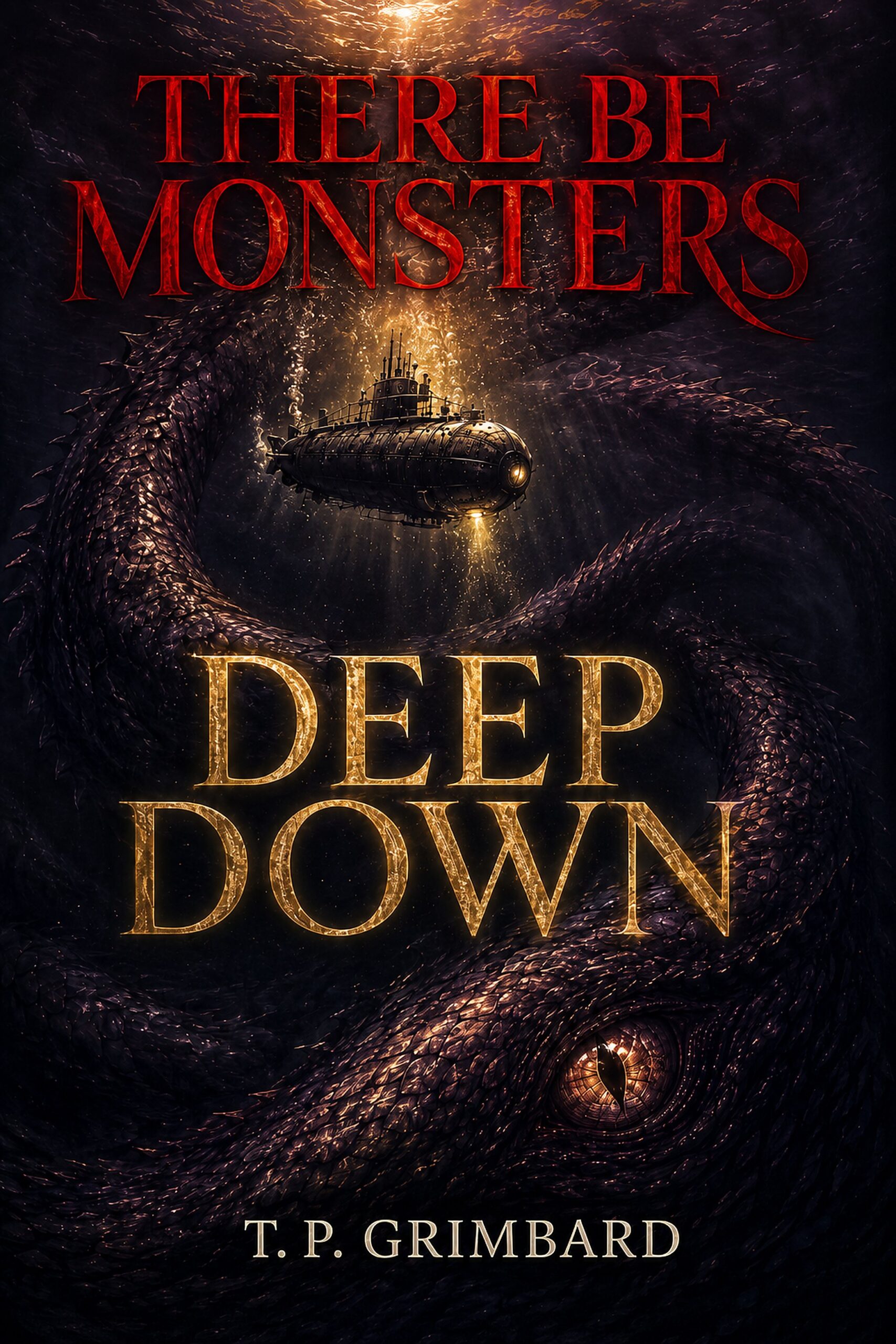
  • There Be Monsters: Deep Down Is Out Now — 13 Stories About What Waits Below

    There Be Monsters: Deep Down Is Out Now — 13 Stories About What Waits Below

    There Be Monsters: Deep Down is available today on Amazon in Kindle ebook and 6×9 paperback — the second full collection in the There Be Monsters series.

    Thirteen stories. One direction: down. Into water, into rock, into the caves and drowned places built to keep people out, and into the parts of a person their own family never sees.

    What Is There Be Monsters: Deep Down About?

    Deep Down is a 13-story horror anthology about depth — what happens when people go looking for the bottom of something and find it’s occupied. Each story follows a different account of someone who ignored a warning that turned out to be true.

    Then and Now, the first collection in the series, kept its monsters close to the surface — in the familiar world, in places readers already had reasons to be. Deep Down goes further than that book did, into locations built to be entered once and not questioned.

    A sample of what’s waiting in the collection:

    • A sister recovers her drowned brother’s final dive footage and learns he wasn’t afraid of what took him.
    • A Navy SEAL team boards a drifting ship expecting pirates and finds eight hundred people who tore each other apart from the inside.
    • Below a Belizean blue hole, something older than the water waits exactly where the light gives out.
    Illustration of a diver discovering a sunken shipwreck in green water

    What Makes This Collection Different From Then and Now?

    Deep Down pushes further into an inhuman narrative voice — several stories are told from a perspective that experiences the world in a way that is internally coherent and externally wrong. That’s the collection’s core structural idea, and it’s what separates it from a standard monster anthology.

    The monstrous in these stories isn’t positioned as an outside threat opposing human characters. It functions as an extension of human nature — the part that the ordinary world has no category for, that has nowhere else to go, and that goes down instead. Three things carry that idea through the book:

    1. Every story is a recovered account, not a narrated legend — something that happened to a specific person who believed the warning didn’t apply to them.
    2. The horror predates the humans who find it. Nothing in this collection was summoned. It was already there, waiting in a place with no relationship to time the way people experience it.
    3. The archive format continues from Then and Now. Grimbard doesn’t appear in the stories — only collects and orders them, the way the There Be Monsters series has worked since the first book.
    Illustration of a diver descending into a Belizean blue hole

    Where Can You Buy There Be Monsters: Deep Down?

    There Be Monsters: Deep Down is available now on Amazon in Kindle ebook and paperback, and it’s enrolled in Kindle Unlimited. Because it’s part of KDP Select, the ebook is Amazon-exclusive for now — it won’t appear on Gumroad or any other storefront.

    Format Where Notes
    Kindle ebook Amazon Included with Kindle Unlimited
    6×9 paperback Amazon Same listing, print edition

    Who Is T. P. Grimbard?

    T. P. Grimbard collects warnings for a living — the kind that used to be posted at the edge of a map, before maps stopped admitting there was an edge. Every account in the There Be Monsters series is presented the way it was found: as something that happened to someone who thought the warning didn’t apply to them. The archive is always growing. It has never once gotten smaller.

    If you’re the type of reader who finishes a Deep Down story and immediately wants to know what else waits in dark water, Boxcar Children was many horror readers’ first taste of kids finding things adults had stopped looking for — and it holds up as a surprisingly good gateway into the genre.

    Get the Boxcar Children on Amazon

    New accounts, annotated classics, and a free welcome story land in your inbox when you sign up for the Grimbard newsletter.


    Pinned question for the comments: Which regional rule from your hometown do you still follow today — and do you know where it actually came from?

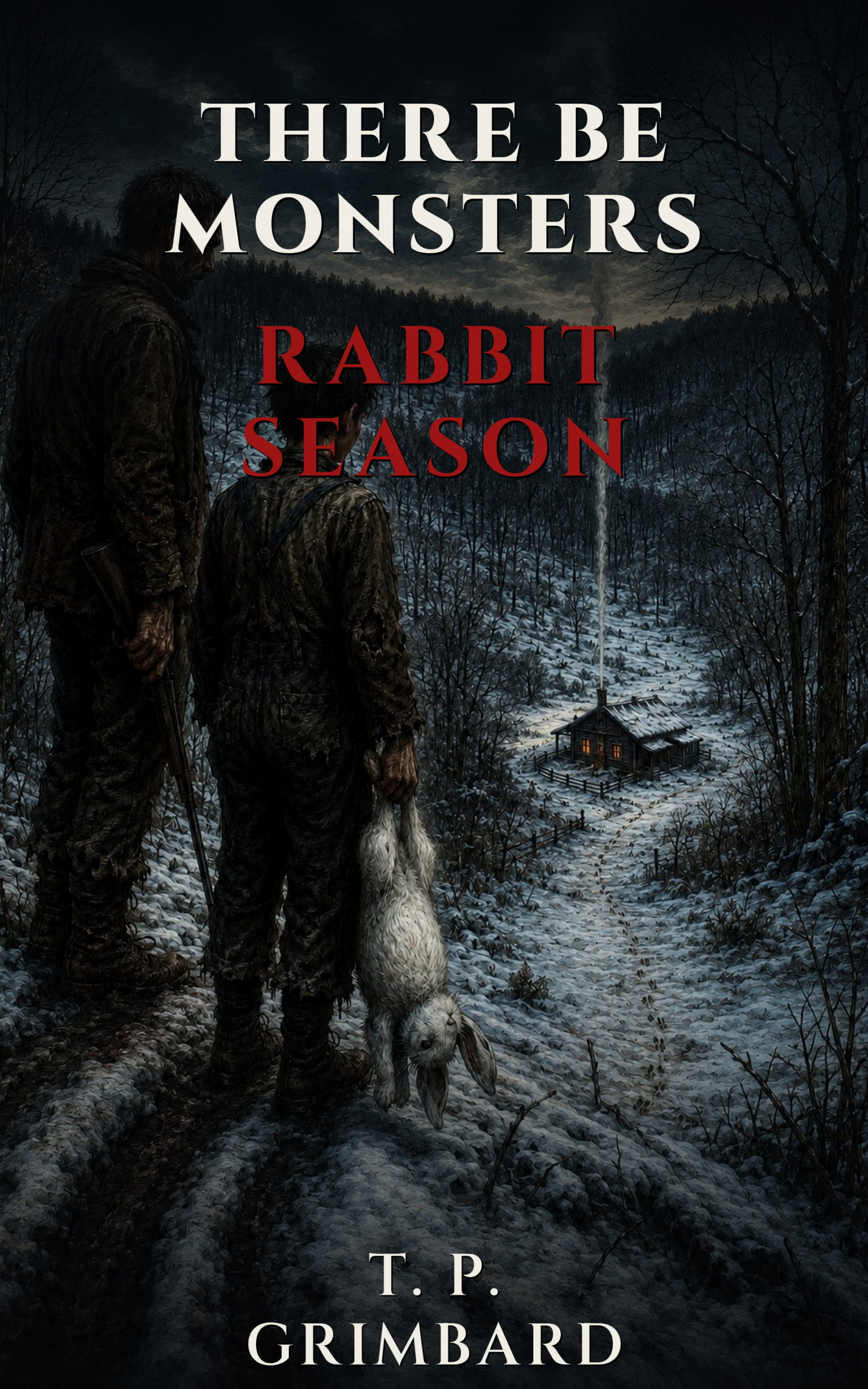
  • New Short Read: “Rabbit Season”

    New Short Read: “Rabbit Season”

    There’s a rule carved into the inside of the old camp door, and Lee has read it his whole life.

    Don’t shoot the white ones in winter.

    It’s 1935. The snares have been empty for six days. The egg money stopped covering the lamp oil a month ago, and Lee’s father has gone quiet in the way a man goes quiet when he’s run out of everything except the next bad idea. So when a white rabbit sits out on the snow at thirty yards — not hiding, not bolting, the white of it wrong against the white of the weather — the rule loses.

    The rabbit comes home.

    What sits down to supper after that is the part I’ll let you read for yourself.

    “Rabbit Season” is live now as a standalone short read. It’s quiet, Depression-era folk horror — the kind built on an old warning, an empty woods, and a family hungry enough to ignore both. If you like your horror patient and your endings earned, this one’s for you.

    Read “Rabbit Season” on Kindle: https://a.co/d/0bnT7fuu

    It’s pulled from my anthology There Be Monsters: Then and Now — thirteen stories, each one its own bad idea. If “Rabbit Season” gets under your skin, the rest are waiting.

    Get the full collection: https://a.co/d/04jKPYNx

    And if you want a free story to start with, I’ll send you one — no charge, just a quiet place to begin.

    Grab your free story: https://preview.mailerlite.io/forms/2428558/192190473470740064/share

    Bank the fire before you sleep. And if you see a white one this winter, leave it where it sits.

    Continue exploring folk horror

    About this short read

    Rabbit Season is a compact Depression-era folk horror story about scarcity, inherited rules, and the terrible logic of a bad decision. It is drawn from There Be Monsters: Then and Now, but it is meant to be read as a complete, uneasy tale on its own.

    Is this story for you?

    • Choose it if you prefer quiet rural dread to graphic violence.
    • Expect an old warning, a winter landscape, and horror that arrives by degrees.
    • Start here if you enjoy historical or Appalachian-inflected folk horror and want a short first taste.