
Every October, the internet rediscovers horror. Watch parties. Recommendation threads. The seasonal horror content machine cranks up and runs for thirty-one days and then it’s November and everyone moves on.
This is a problem.
Not because October horror is bad — it isn’t, most of it is great — but because October is actually the second best season for horror, and we’ve collectively agreed to pretend the best one doesn’t exist.
Summer is horror’s natural home. It always has been.
The Evidence
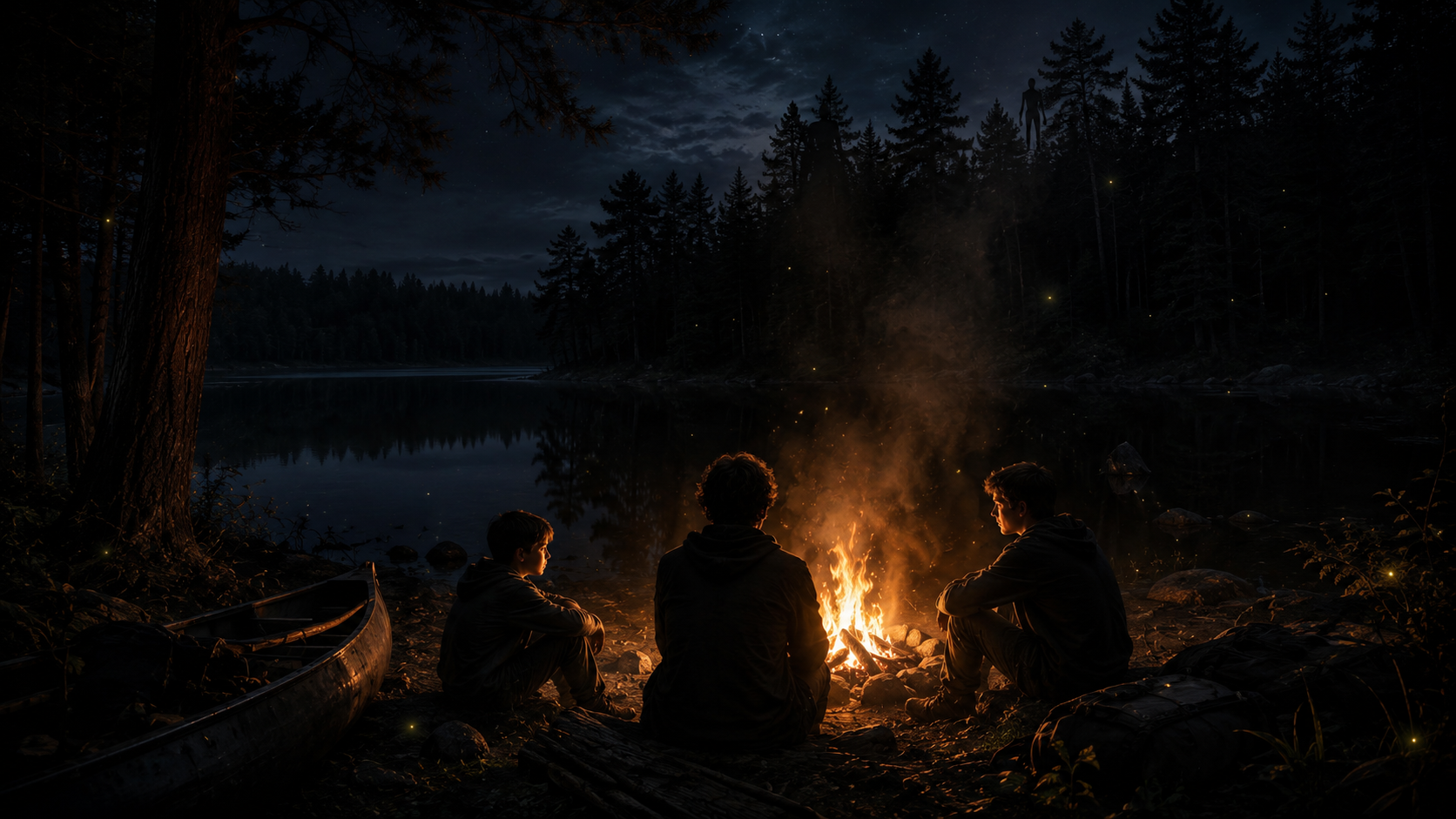
The original campfire story is a summer artifact. It happened because people were outside after dark, away from civilization, with nothing but firelight between them and the woods. The campfire story doesn’t exist in winter; in winter you go inside. The original horror experience is a summer experience.
The modern slasher film was invented by summer. Camp Crystal Lake is in July. The beach in Jaws is Fourth of July weekend — not accidentally. Steven Spielberg understood that a holiday crowd on a summer beach is a specific kind of vulnerability: relaxed, exposed, nowhere to go, trusting the water the way you only trust it when the weather is good.
The heat does something to the logic of horror that cold doesn’t. Cold is a direct threat — it kills you through the obvious mechanism of cold. Heat is stranger. It warps. Things that seem reasonable in seventy-degree weather become genuinely unstable in ninety-degree weather. The edges of things get soft. The sensible explanations feel less solid. People do things they would never do in October.
There’s a reason the Gothic tradition has a whole sub-category of sun-drenched horror. The English countryside in summer is terrifying in ways the English countryside in winter is not.
The Specific Texture of Summer Dread
The horror that summer makes possible is different from the horror that autumn makes possible.
Autumn horror is about endings — the dying of the light, the thinning of the veil, the approach of winter. It’s structurally melancholy. The threat comes from the dark.
Summer horror is about the wrong thing happening in the light. The swimmer who doesn’t come back. The cabin that’s always been fine before. The trail you’ve hiked every year since you were a kid that feels, this year, different. The body at the bottom of the lake that the clear water makes visible.
Seeing the threat is, in some ways, more disturbing than not seeing it. The darkness in October gives horror somewhere to hide. The July sun doesn’t. When something is wrong in summer, it’s wrong in full light. And that is a specific, underappreciated kind of awful.
What to Read This Weekend
If you’re looking for summer horror specifically — the kind that fits this particular season — here’s where I’d point you.
Jaws the novel (not just the film) holds up. Peter Benchley was writing about a specific community in a specific summer, and the book has a texture the film, great as it is, doesn’t quite replicate.
Shirley Jackson’s “The Lottery” is technically a June story, and rereading it in summer hits differently than reading it in October.
For something more recent, anything by Paul Tremblay that happens outdoors. He understands what sunlight does to a threat.
And if you want something short: find the campfire story someone in your family tells. The one that got passed down. The one that’s probably not entirely true but nobody can say for certain that it isn’t.
Those are the best summer horror there is.
The Campfire Is Still There
I write horror the way the campfire story works: specificity, a rule that something violated, consequences that feel inevitable in retrospect. You can read them in October — plenty of people do. But I wrote most of them in the summer, sitting somewhere warm, thinking about the specific wrongness that the light reveals.
The best horror seasons are the ones you’re actually in.
This is one of them.
There Be Monsters: Then and Now — thirteen creature and folk horror stories. Good for campfire. Good for the Fourth.
Get on the Grimbard list for the folklore and fiction that feeds this corner of horror.